Filtering by: Exhibit

Blue Blood: Félix Labisse's Goddesses, Demons, and the Space Between
Feb
6
to Mar 18

Blue Blood: Félix Labisse's Goddesses, Demons, and the Space Between

  • Contemporary Art Museum of Indianapolis (CAMi) (map)
  • Google Calendar ICS

Friday, Feb. 6 – Wednesday, March 18 | Tube Main Gallery

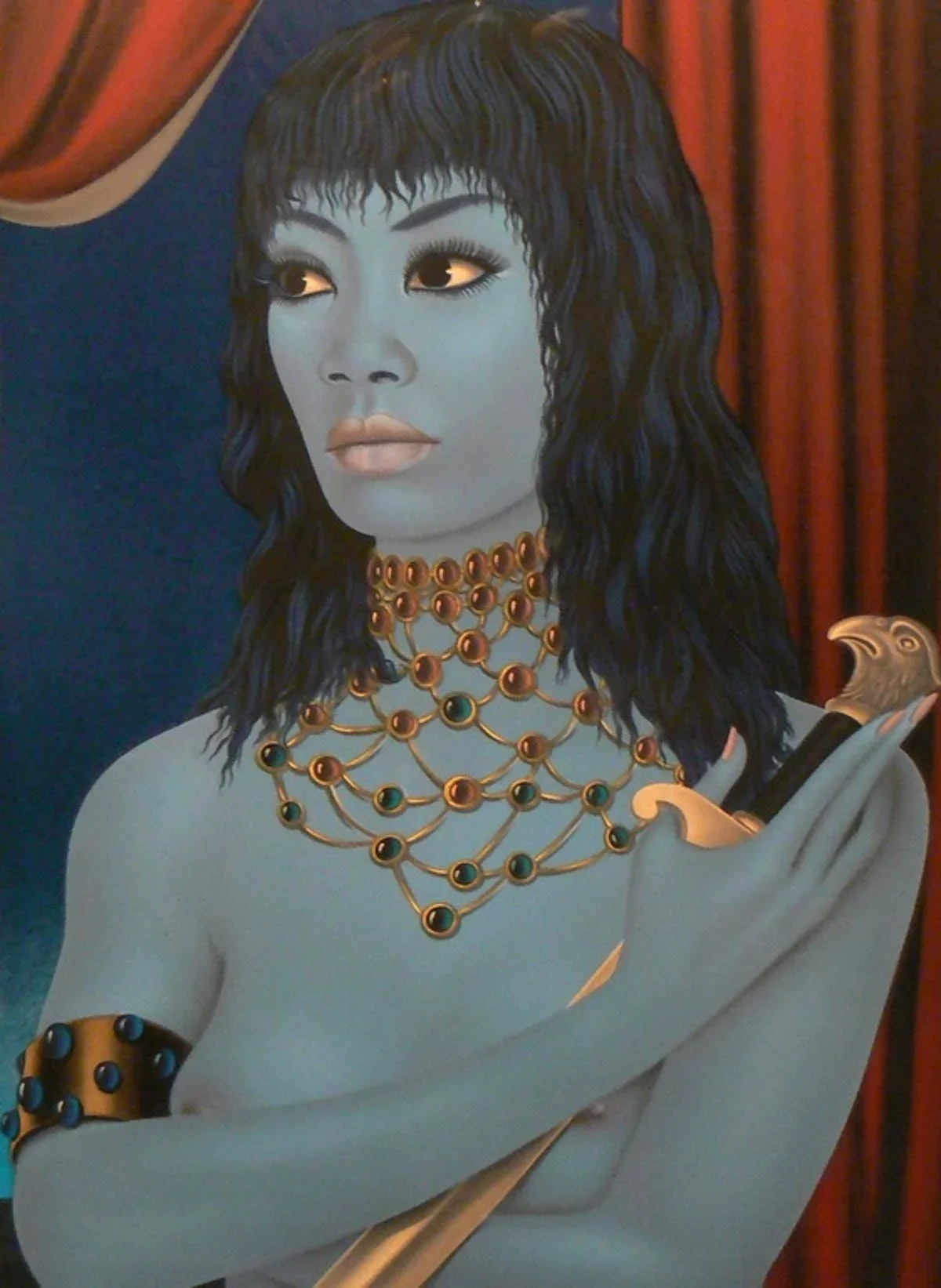
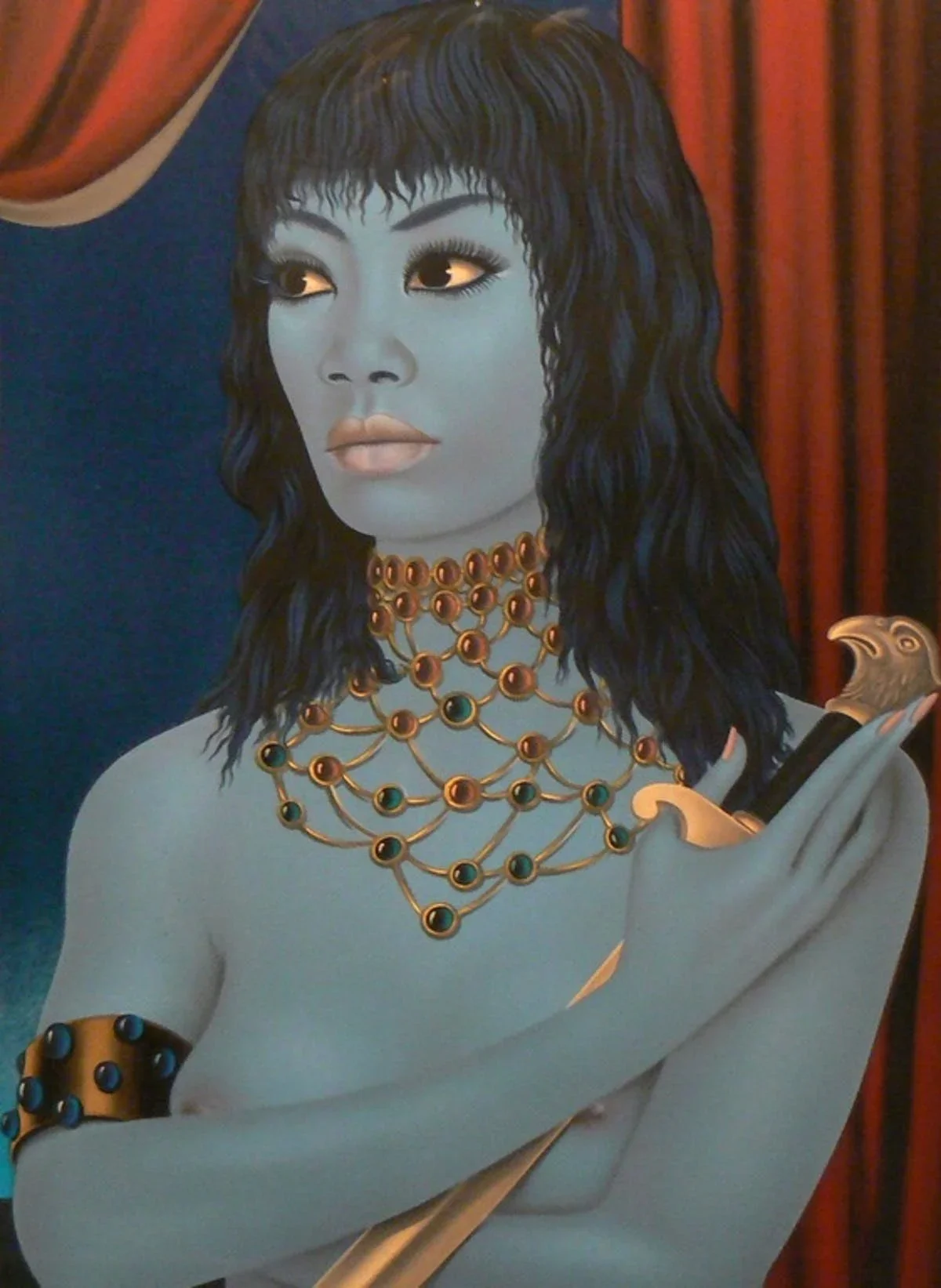
French Surrealist Félix Labisse created something strange starting in the 1960s: a universe where women pilot impossible machines through realms that don’t follow normal physics. His iconic blue women — the “Selenides” — are warrior goddesses. And they’re navigating more than space. They move through desire, mythology, and what might be parallel dimensions of time.

On the south wall of the gallery are three pieces from Labisse’s Selenide series: La Femme avec un couteau (The Woman with a Knife), La Reine de Saba (The Queen of Sheba), and Judith, referencing the stories and myths behind each warrior.

On the east and west walls are 16 prints from his Histoire naturelle series (1944)—hybrid creatures blending human, animal, and vegetable forms, each with Labisse’s own descriptive poems. These fantastical beings prefigure his later libidoscaphes (1962), desire-vessels that merge spacecraft with sexual organs and mythological beasts, navigating inner realms of “inadmissible desires masked by propriety.”

Part Jules Verne, part surrealist fever dream, part absurdist comedy, Labisse uses consciousness itself as a vehicle for traveling through forbidden dimensions where eroticism could actually warp reality. The nudity of Labisse’s female subjects is an armor. These women are preparing — for ceremonies, for magic, for battle. Their landscapes exist nowhere and everywhere at once: moon, ocean, future city, ancient temple. Set in mythic space, the women are real–piloting libidoscapes, navigating time, and fighting wars. Labisse enables us to see them through our own myths and knowledge of history. And imagine that perhaps because we see them, they are real. Imagine they are waiting, blue-skinned and patient, for the rest of us to catch up.

Labisse connected to science fiction, painting and drawing what he imagined. But in his work can be found an idea more radical—that artists might actually access non-linear temporal streams, tapping into futures and parallel timelines.

About the Artist

Félix Labisse (1905-1982) was a painter, illustrator, and theater designer who transformed mythology into what he called a “personal demonology.” Born in Northern France, he spent his early years in Douai and later Ostend, Belgium, where he met his mentor James Ensor while studying at the École de Pêche.

His childhood shaped everything: the Gayant carnival with its giant mannequins, living through WWI occupation from ages 9-13, and obsessively reading 19th-century science fiction. By 1933 he’d moved to Paris, where he quickly made a name designing theater sets (for Jean-Louis Barrault and later Jean-Paul Sartre) while painting and befriending other Surrealists—Robert Desnos, Max Ernst, René Magritte, Paul Delvaux. But Labisse never quite fit André Breton’s official Surrealist movement. He was doing his own thing: Flemish Expressionism meets occult symbolism meets erotic mythology. He was elected to the Académie des Beaux-Arts in 1966 and kept working until he died in 1982.

Curator: Shauta Marsh

Research assistance: Sage Lumière

Part one of a four part exhibition series on the artist.
View Event →
Pavlina Vagioni: AVÁSIMO (BASELESS)
Feb
6
to Mar 18

Pavlina Vagioni: AVÁSIMO (BASELESS)

  • Contemporary Art Museum of Indianapolis (CAMi) (map)
  • Google Calendar ICS

Friday, Feb. 6 - Wednesday, March 18, 2026 | Tube Video Gallery

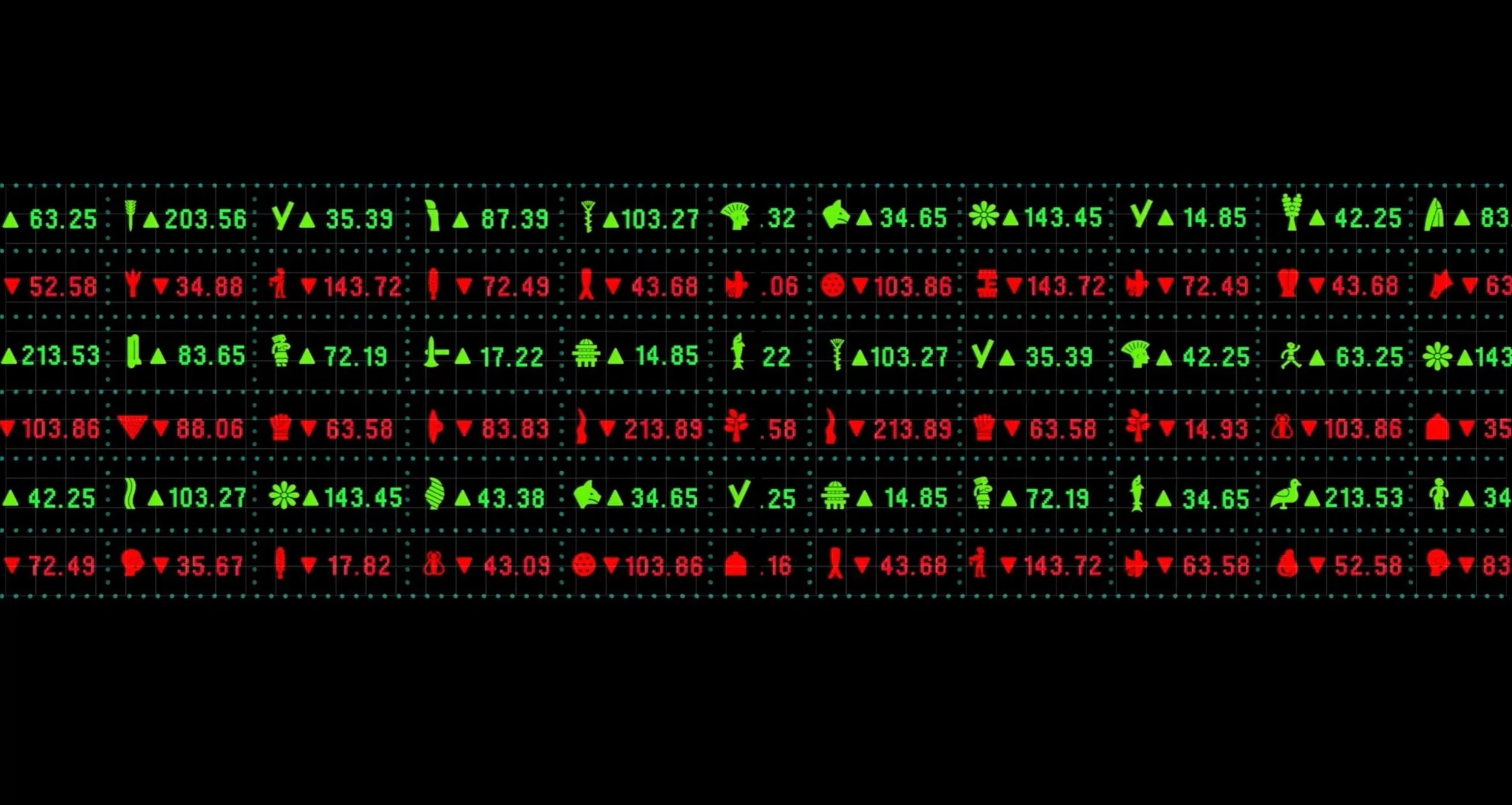
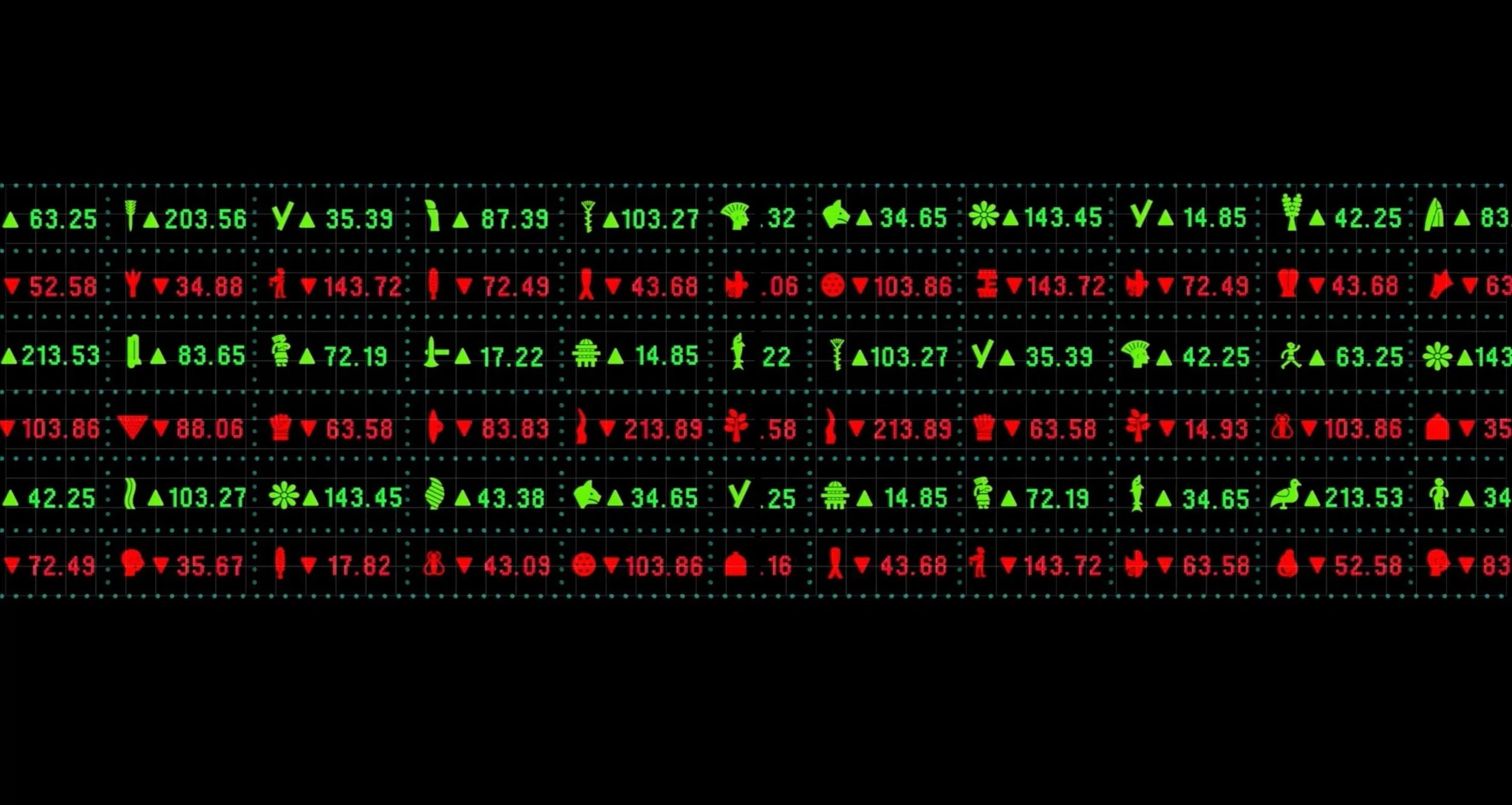
Stock market data from the 2008 financial collapse — Dow Jones, Nikkei, Nasdaq, and S&P 500 — is translated into a musical score. An electronic female voice, processed through vocoder, follows the score with precision. The voice is feminine, like the voices designed to assist us, to serve, to comply. When algorithms are built to help, they are so often given women's voices. The system speaks through the voice it expects obedience from. A human voice enters, not in obedience but in lament. It responds to the data, departs from it, grieves what the numbers cannot feel. It exists within the system while refusing to be ruled by it. The video displays symbols from the Phaistos Disc, an undeciphered Minoan script possibly from a matriarchal Bronze Age society, now scrolling in the format of a stock ticker: ancient mystery conscripted into capitalism's visual language. Beneath the voices, a sustained drone sounds: the ison of Byzantine chant tradition, a single fixed pitch that served as tonal anchor for sacred music. Here it becomes the cost basis, the entry point, the fixed reference against which all market movement is measured, the illusion of stable ground in a system without foundation. Matriarchal symbols forced into patriarchal economic display. Female robot voice obeying the algorithmic score. Human female voice refusing, responding, lamenting. The drone continues beneath it all, as cost basis always does, indifferent to what rises or falls above it. At the close, the human voice fades; the machine inherits its tremor. Nothing holds still. Avásimo: without basis. The ground was never there.

 2026, Single channel audio & video animation
Audio duration: 3'17''

Concept, Artistic Direction: Pavlina Vagioni
Original Score: Audra Verona Lambert
Arrangement & Transcription: Pavlina Vagioni
Vocoder & Electronic Processing: Vangelis Yalamas
Vocals: Pavlina Vagioni
Mixing: Vangelis Yalamas
Video Animation: Tasos Tsiaboulas

About the Artist:
Pavlina Vagioni is a Greek-born interdisciplinary artist based in Houston, TX, whose work spans sculpture, painting, sound, and digital art. She has exhibited at notable venues across the US and Europe, including the Byzantine Museum, Hellenic American Union, Kappatos Gallery (Athens), TANK Space, Lawndale Art Center (Houston), Carillon Gallery (Fort Worth), and Opening Gallery (New York). Vagioni completed a residency at the School of Visual Arts and created a public art project at Houston’s ION Building. Her work is recognized internationally and held in multiple private and public collections, including the MOMus–Museum of Contemporary Art (Thessaloniki, Greece).

View Event →
Stephanie Williams: Common Matter
Feb
6
to Feb 18

Stephanie Williams: Common Matter

  • Contemporary Art Museum of Indianapolis (CAMi) (map)
  • Google Calendar ICS

Guichelaar Gallery | Feb. 6 – 18, 2026

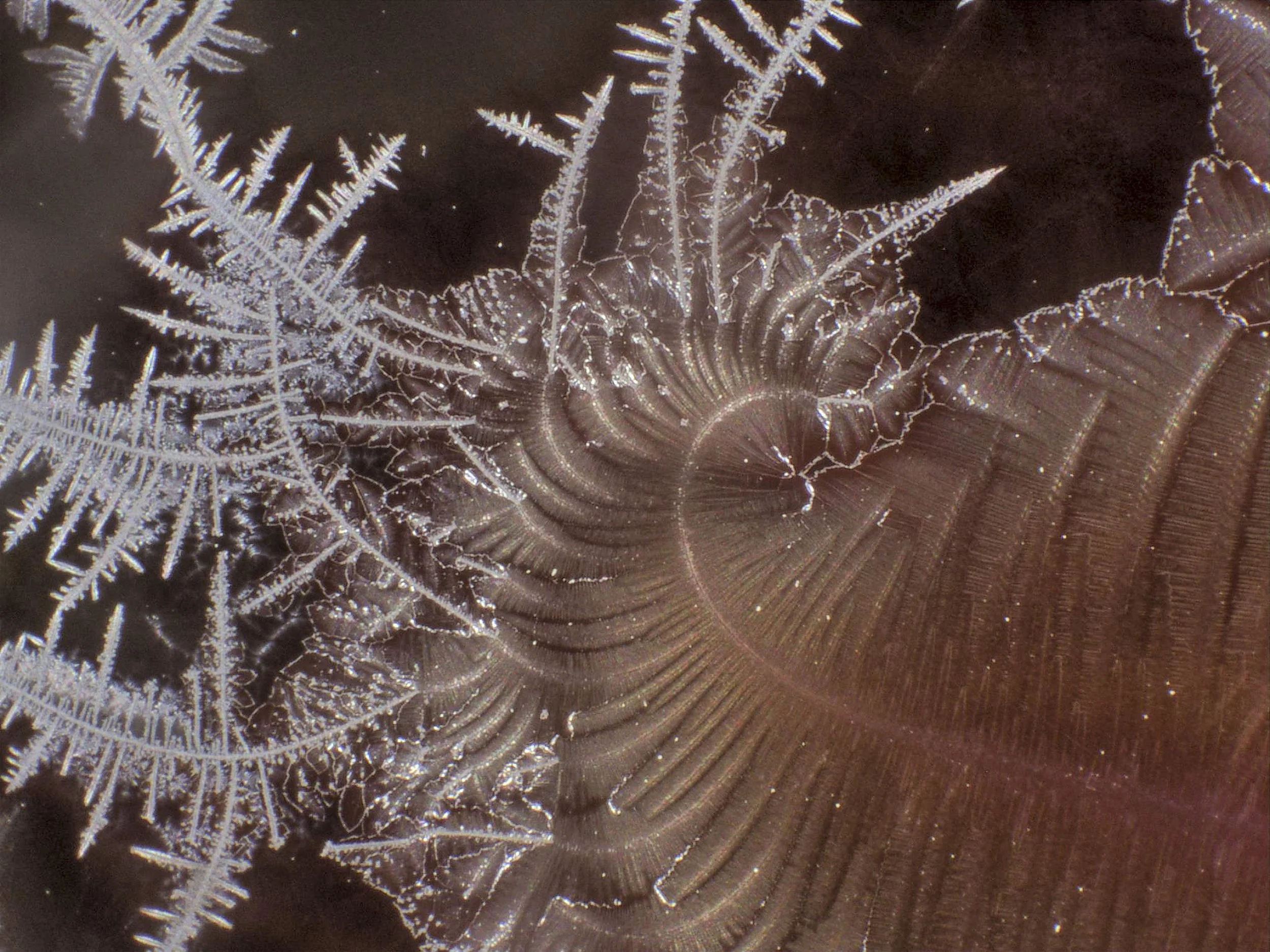
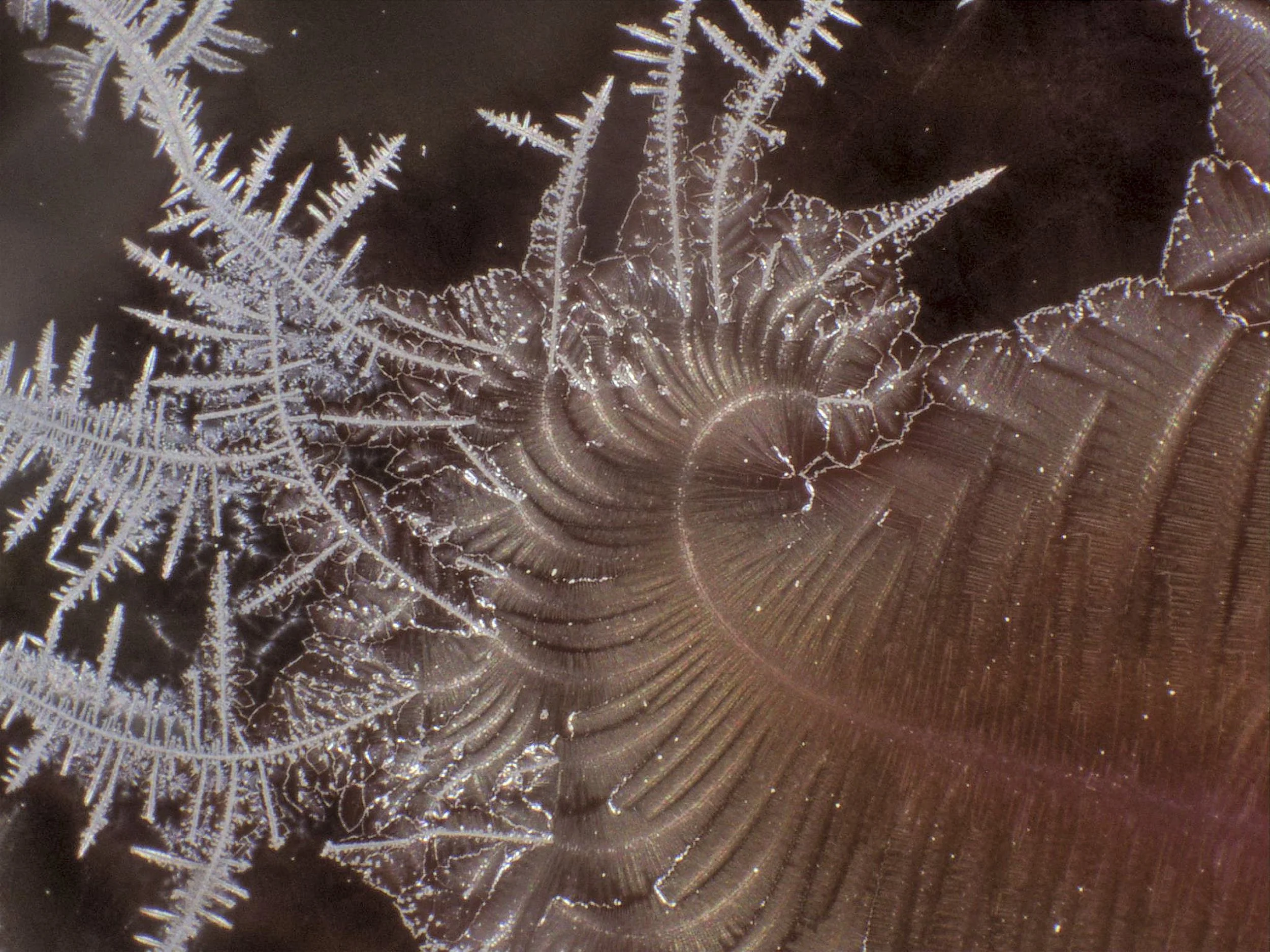
Stephanie Williams’ exhibition Common Matter brings together ceramic wall sculpture and framed photography to trace the repeating structures that appear across nature and human design. The show includes modular ceramic forms that shift between geometric and organic designs, alongside photographs which explore cosmic patterns at the microscopic level. Across mediums, the work invites viewers to look closely at how familiar patterns emerge at different scales, from crystalline structures to engineered surfaces.

Williams explores the idea that the universe is built from recurring visual and mathematical “rules” that show up in both organic building blocks and artificial systems. The work considers proportion and measurement as a universal expression of those “rules” (including spiral and growth patterns associated with the Fibonacci sequence) and asks how the macro and the micro mirror one another.

This body of work is informed by diverse influences, from historical cosmologists such as Johannes Kepler to Williams’ daily encounters with the patterns embedded in the world around her. Over time, she has become increasingly interested in how micro-patterns replicate themselves in both large and miniature form, and how humans often echo these same micro-patterns in their design, technology, and impulse to create.

Williams’ studio practice is rooted in ceramics, using a combination of throwing, handbuilding, and slipcasting. The photographic work extends the investigation of her exhibition’s thematic concepts through digital microscopic imagery and black-and-white analogue film.

Ultimately, Common Matter asks viewers to reflect on their existence within the universe and their relationship to it at a fundamental structural level. In the spirit of Carl Sagan’s observation that humanity is “a way for the universe to know itself,” the work suggests that the patterns we notice (and the ones we recreate) are not separate from us, but part of what we are.

About the artist
Stephanie Williams is an Indianapolis-based artist in Big Car Collaborative’s CAMi Long-Term Artist Residency program. She graduated from the Herron School of Art and Design in 2019 and has exhibited in a variety of spaces and galleries across Indiana. Williams has worked at American Art and Clay Company (AMACO) going on ten years.

View Event →
Amy Kligman: Shrines of the Luminous Halo
Nov
7
to Jan 18

Amy Kligman: Shrines of the Luminous Halo

  • Contemporary Art Museum of Indianapolis (CAMi) (map)
  • Google Calendar ICS

Tube Main Gallery | Nov. 7, 2025 — Jan. 18, 2026

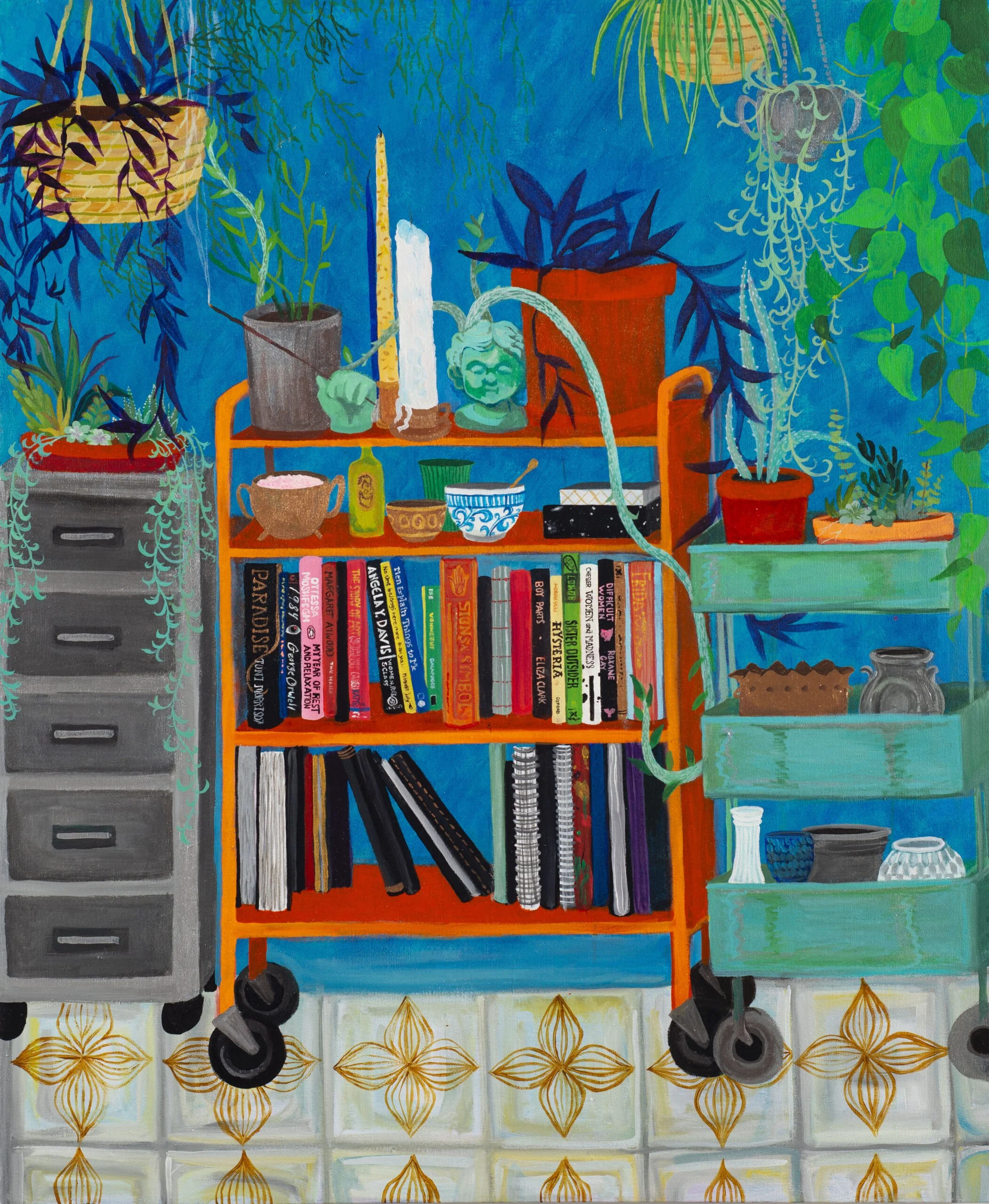
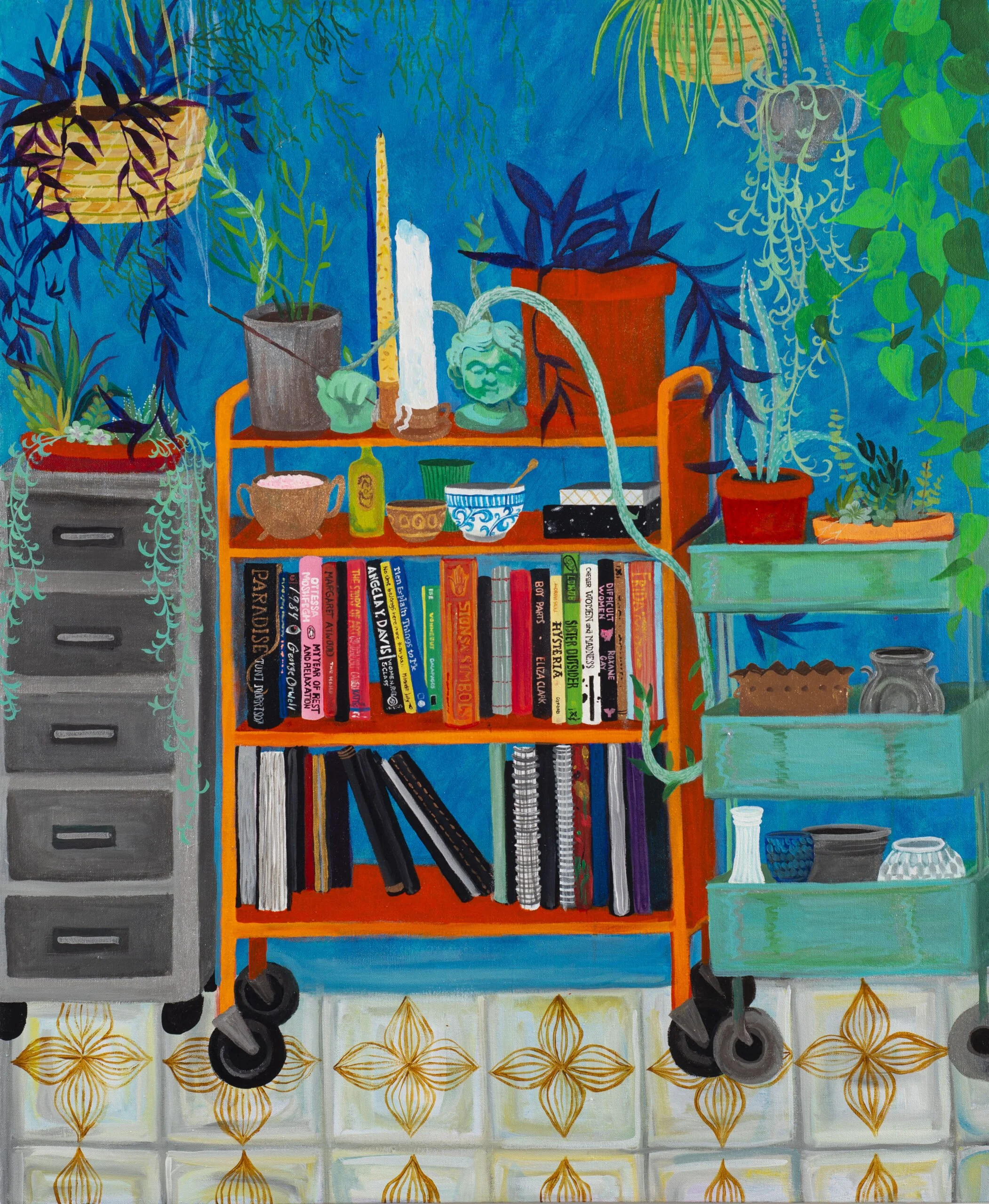
Imagine you are stepping into a bubble, a space filled with all the thoughts that drift through your mind in a single day. What do you surround yourself with? What defines you? And how do you interact with or move around these objects that symbolize yourself?

Amy Kligman’s series of 23 paintings glimpses an inner world, specifically focusing on the objects we choose to surround us. Arranged in a deliberate, symmetrical way, these objects represent who we are. 

“I love objects and environments that carry the history of the people that have shared space and time with them. I think about lineage — the patina of the world handed from generation to generation, and what it means to try to make something of the world as we receive it from others,” says Kligman, who lives and works in Kansas City, Missouri. “Generations of women, generations of artists, generations of family. In my paintings I pull together elements from these histories to suggest a kind of ‘bubble world’ where those disparate pieces come together in a place of hope, reverence, acknowledgment, or sometimes a sort of aspiration for a future where the efforts of the past inform progress.”

Throughout the history of art, depictions of the table and its contents have been used as a storytelling device to convey skillfully coded meaning and sociocultural significance to the viewer. Taking the genre of still lifes as its entry point, this exhibition expands upon art historical precedents to think about the table (or toolcart) not only as a site and signifier of power, position, and social status but also as a shrine.

Kligman’s series also gives form to Virginia Woolf’s idea of a “luminous halo” — a semi-transparent layer that envelops us from the moment we become conscious until the end. Kligman’s works act like a book focusing on how we remember and what we think we know.

“In the assembling of objects I’m often pulling together references and symbols as an invitation to a specific state of being or meditation or reflection. By creating these spaces and inviting others into them, I’m inviting them into these states of reflection as well, though folks are not meant to understand all the symbols and the visual language in a didactic way. I believe intention has its own halo, echoing out into the universe, subtly encouraging movement.”

About the artist

Amy Kligman is a painter and installation artist whose work is mostly about people, even when it takes the form of rooms full of layered, disposable party goods. Kligman holds her BFA from Ringling College of Art & Design. At the end of 2024, after nine years in the role, she stepped down as executive director at Charlotte Street Foundation to create her own opportunities by identifying gaps in the Kansas City arts ecosystem. She launched Special Effects gallery to make local artists more nationally visible. In March of 2025 she opened Salon for Possible Futures, an artwork that doubles as a community gathering space on view at the Nerman Museum of Contemporary Art. Additionally her work was featured in New American Paintings and she received the Charlotte Street Foundation Visual Art Award, ArtsKC Inspiration Grant, Art in the Loop Public Art Commission, residency at the Luminary in St. Louis, Missouri Bank Artboards Commission, and the Byron C. Cohen Artist Award. 

Amy Kligman, Toolbox

View Event →
Ilana Harris-Babou: Selected Works
Nov
7
to Jan 25

Ilana Harris-Babou: Selected Works

  • Contemporary Art Museum of Indianapolis (CAMi) (map)
  • Google Calendar ICS

Tube Video Gallery | Nov. 7, 2025 – Jan. 25, 2026

​​Red Sourcebook, 2018, 4:12 minutes, color, stereo, HD video

Cooking with the Erotic, 2016, 11:37 minutes, color, stereo, 2-channel, HD video

Finishing a Raw Basement, 2017, 6:41 minutes , color, stereo, HD video

Reparation Hardware, 2018, 4:05 minutes, color, stereo, HD video

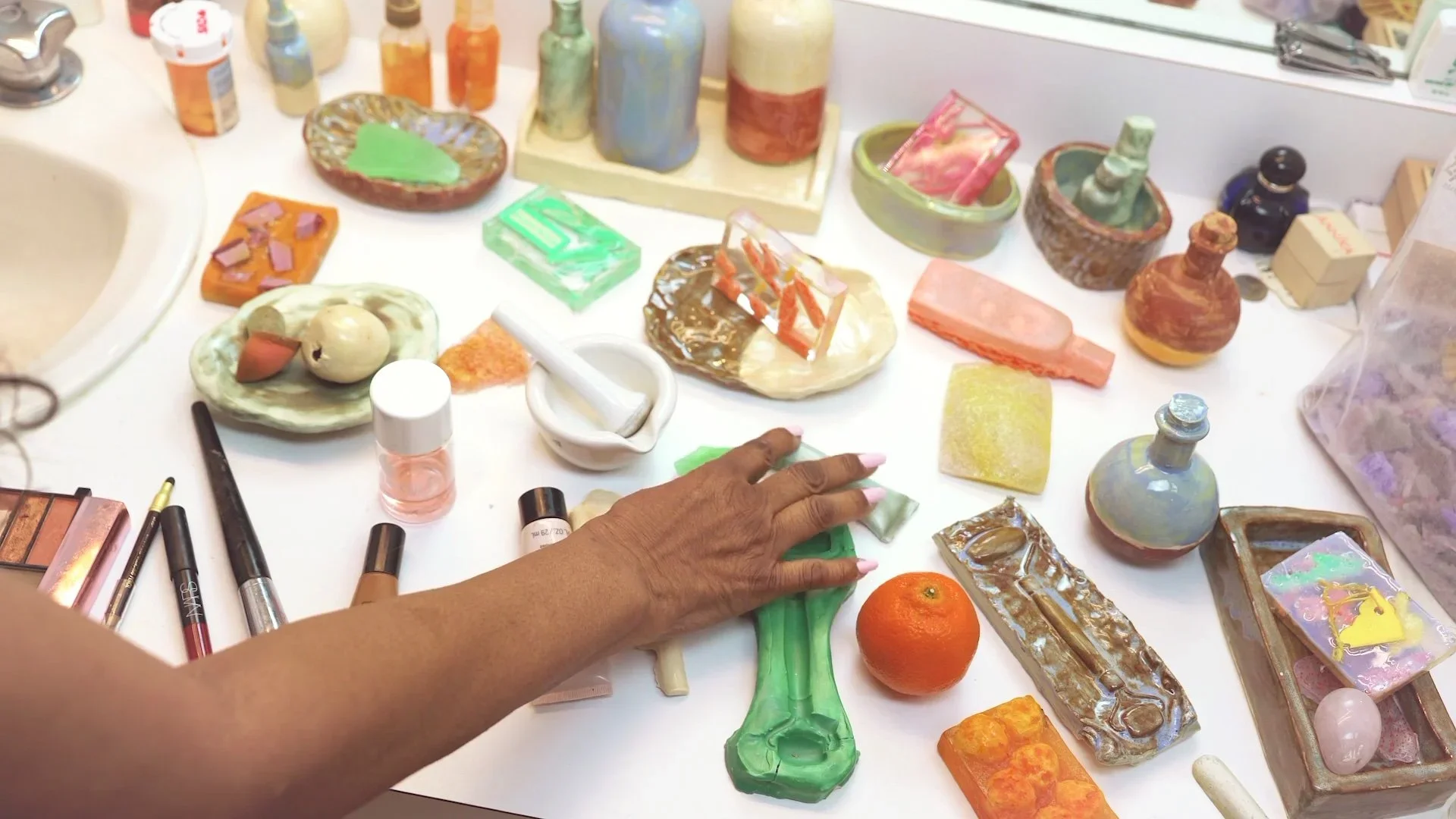
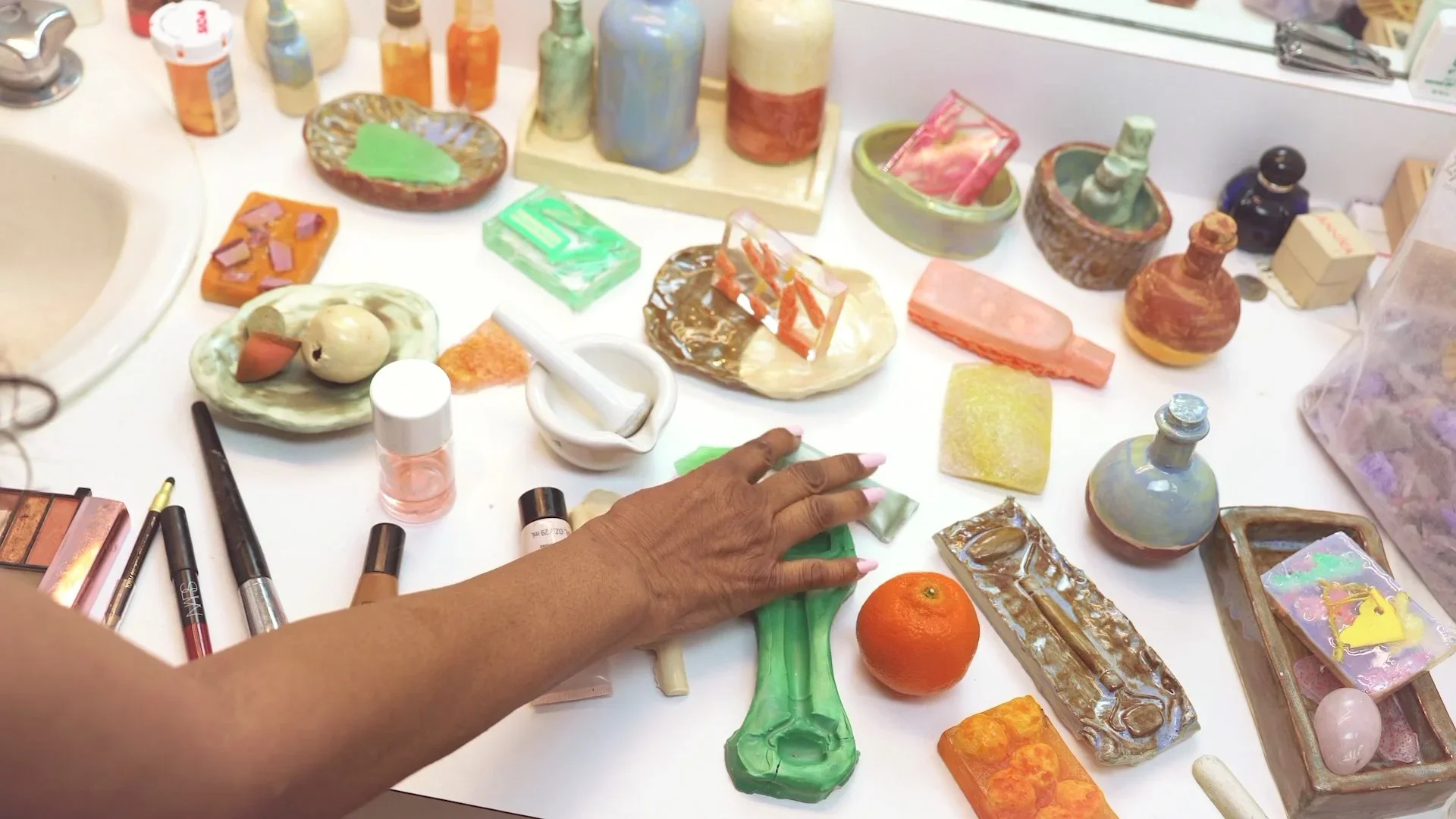
Ilana Harris-Babou is a multimedia artist whose video works are an important component of a practice that includes sculpture and object making, performance, and installation. In her projects, Harris-Babou mines the aesthetics of YouTube tutorials, home improvement and cooking shows, and corporate ad campaigns to call attention to how personal and social identities are constructed—and co-opted—by dominant ideologies.

Harris-Babou unsettles the anodyne tone of these vehicles with wit and creative whimsy, utilizing and re-contextualizing mainstream media forms to make explicit the forces that are elided by slick production strategies: social stratification; legacies of structured oppression; and the homogenizing push of consumerism. Fit within a history of artists using satire and mimicry to critique media and communication platforms, Harris-Babou’s videos, many of which feature her own mother, also draw from her personal experience and lexicon of references to infuse her humor with deeply resonant meaning.

Harris-Babou has presented solo exhibitions of her work at Candice Madey Gallery, New York, NY (2023); Storefront for Art and Architecture, New York, NY (2023); The Ezra and Cecile Zilkha Gallery, Wesleyan University (2023); Artspace New Haven (2022); Kunsthaus Hamburg, Hamburg, Germany (2021); Goucher College, Baltimore, MD (2021); Jacob Lawrence Gallery, University of Washington, Seattle, WA (2020); and The Museum of Arts and Design, New York, NY (2017). In spring 2023, the artist installed Liquid Gold in Times Square for the Midnight Moment series. Harris-Babou has participated in major exhibitions including the Istanbul Design Biennial, Turkey (2020); and the Whitney Biennial, Whitney Museum of American Art, New York, NY (2019), and group exhibitions at The Wellcome Collection, London, UK (2023); California College of the Arts Wattis Institute, San Francisco, CA (2021); The Aldrich Contemporary Art Museum, Ridgefield, CT (2021); and Queens Museum, Queens, NY (2020). She lives and works in Brooklyn and Middletown, CT.

Made possible by The Andy Warhol Foundation for the Visual Arts

Screen still from Decision Fatigue.

View Event →