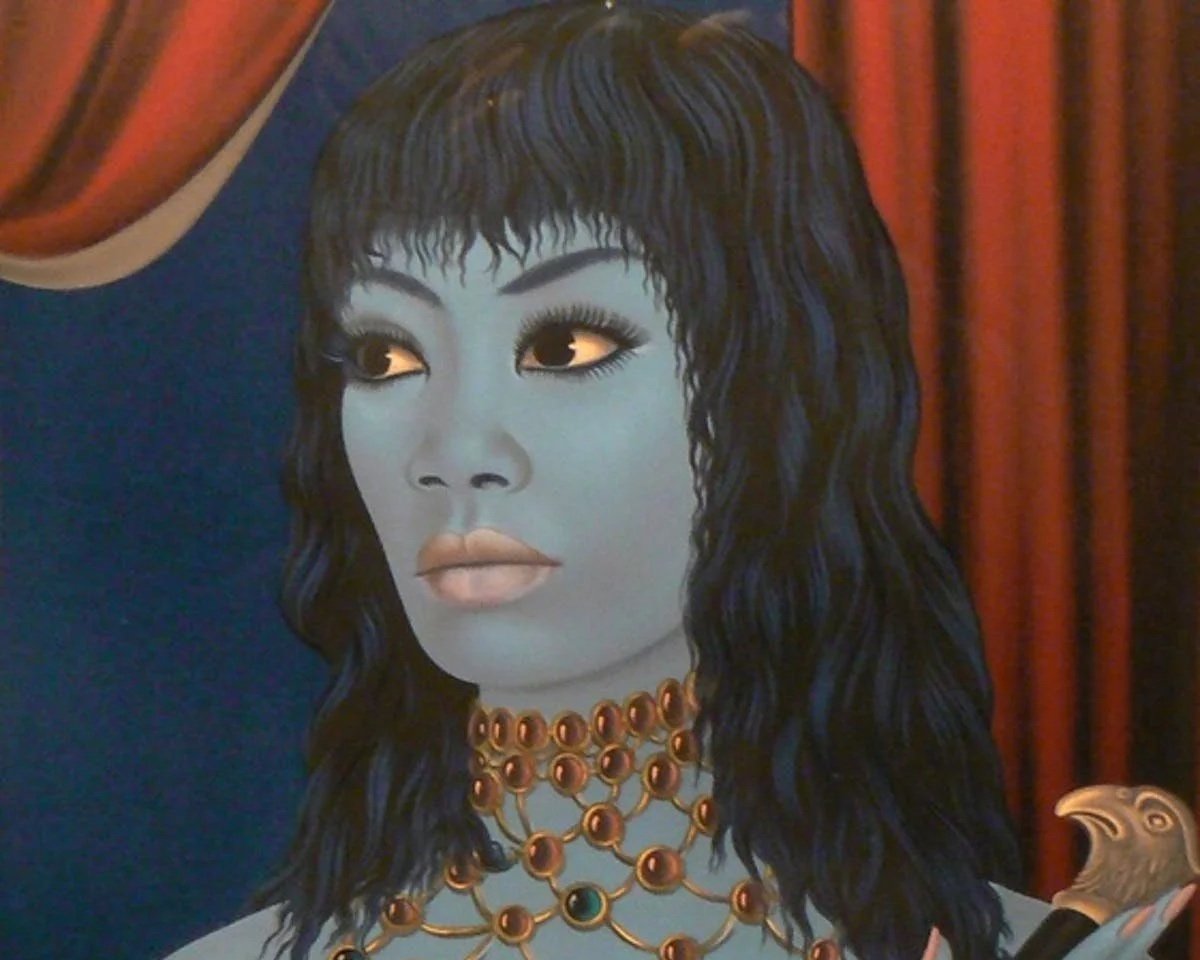
French Surrealist Félix Labisse created something strange starting in the 1960s: a universe where women pilot impossible machines through realms that don't follow normal physics. His iconic blue women — the "Selenides" — are warrior goddesses. And they're navigating more than space. They move through desire, mythology, and what might be parallel dimensions of time.
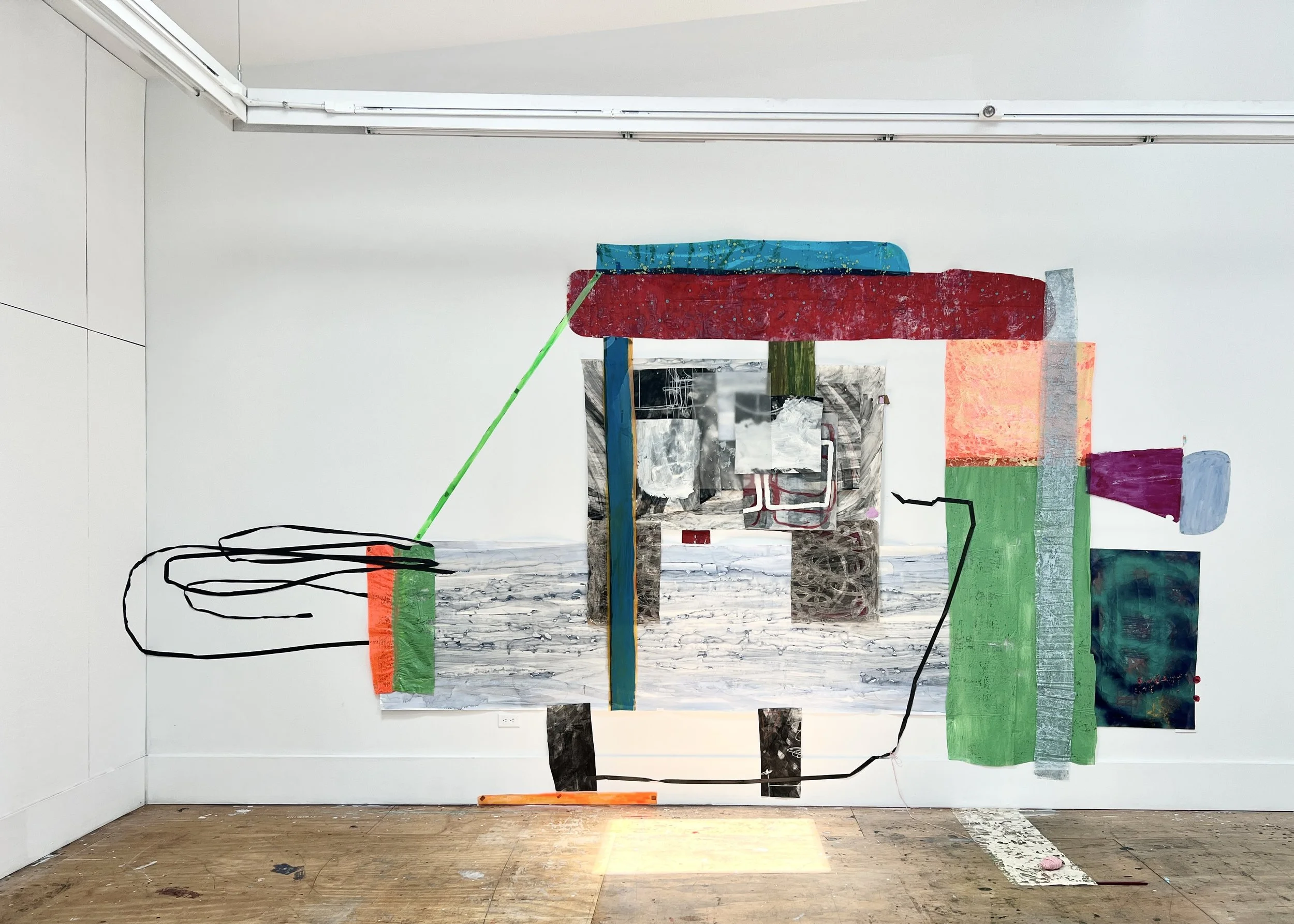
Read MoreIvelisse Jiménez’s practice presents visual propositions concerning the construction of meaning in dialogue with the inhabited space. Her work has been exhibited in the United States, Europe, Latin America, and Puerto Rico, including Prague Art Biennale, Ecuador’s Cuenca Biennale, and Special Project Rooms at ARCO Madrid. She is the recipient of a Joan Mitchell Painters and Sculptors grant, Adolph and Esther Gottlieb Foundation grant, and Venice Italy Arte Laguna 1st Prize in Painting. Her work is part of collections at Museo del Barrio NY, Bronx Museum NY, Museo de Arte de PR, Museo de Arte Contemporáneo de PR, CAB de Burgos, Spain, among others. Jiménez holds a BA in Humanities from the University of Puerto Rico, Rio Piedras and an MFA from New York University. After living and working in New York for twenty years, she now has her residency and studio in Puerto Rico.
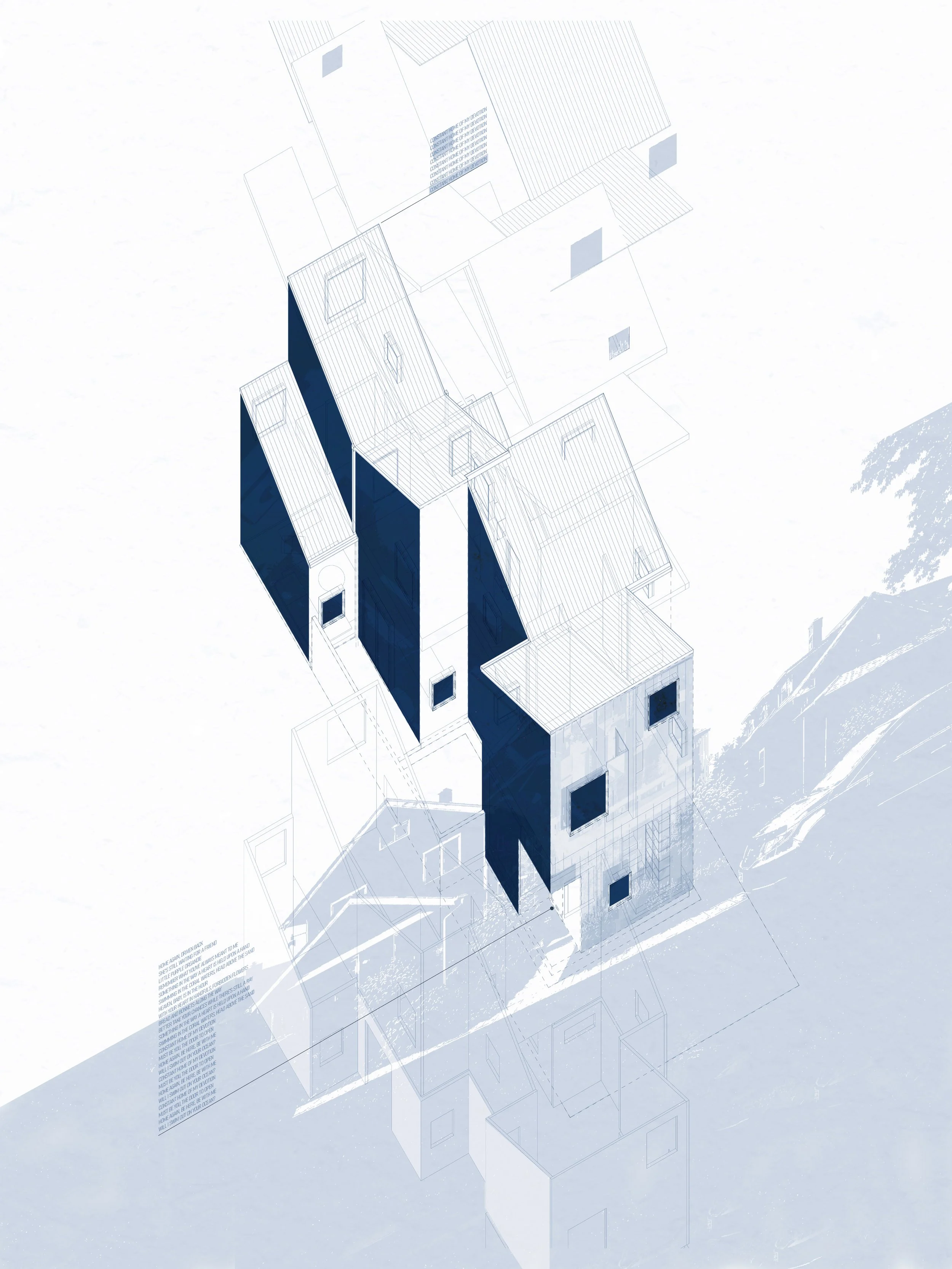
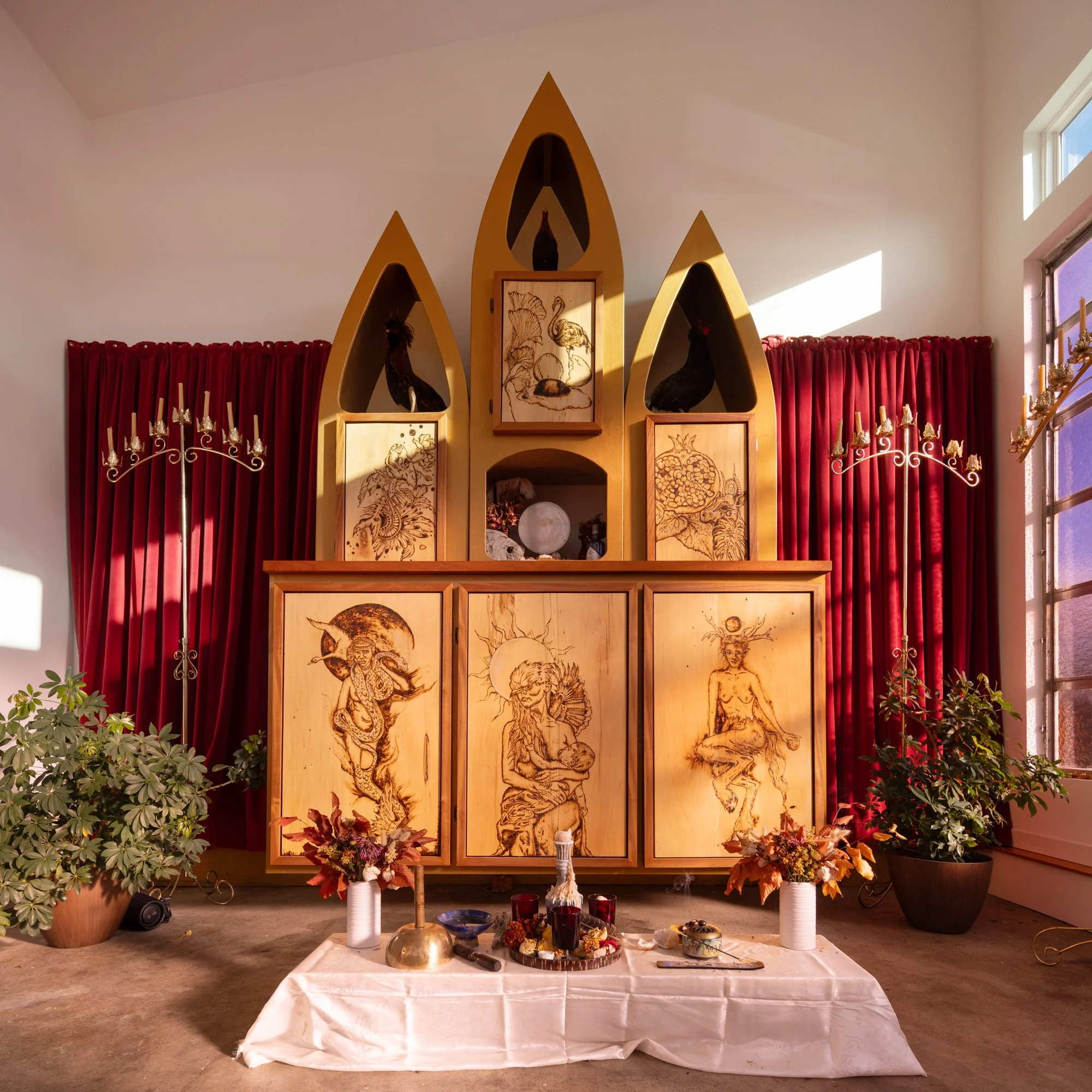
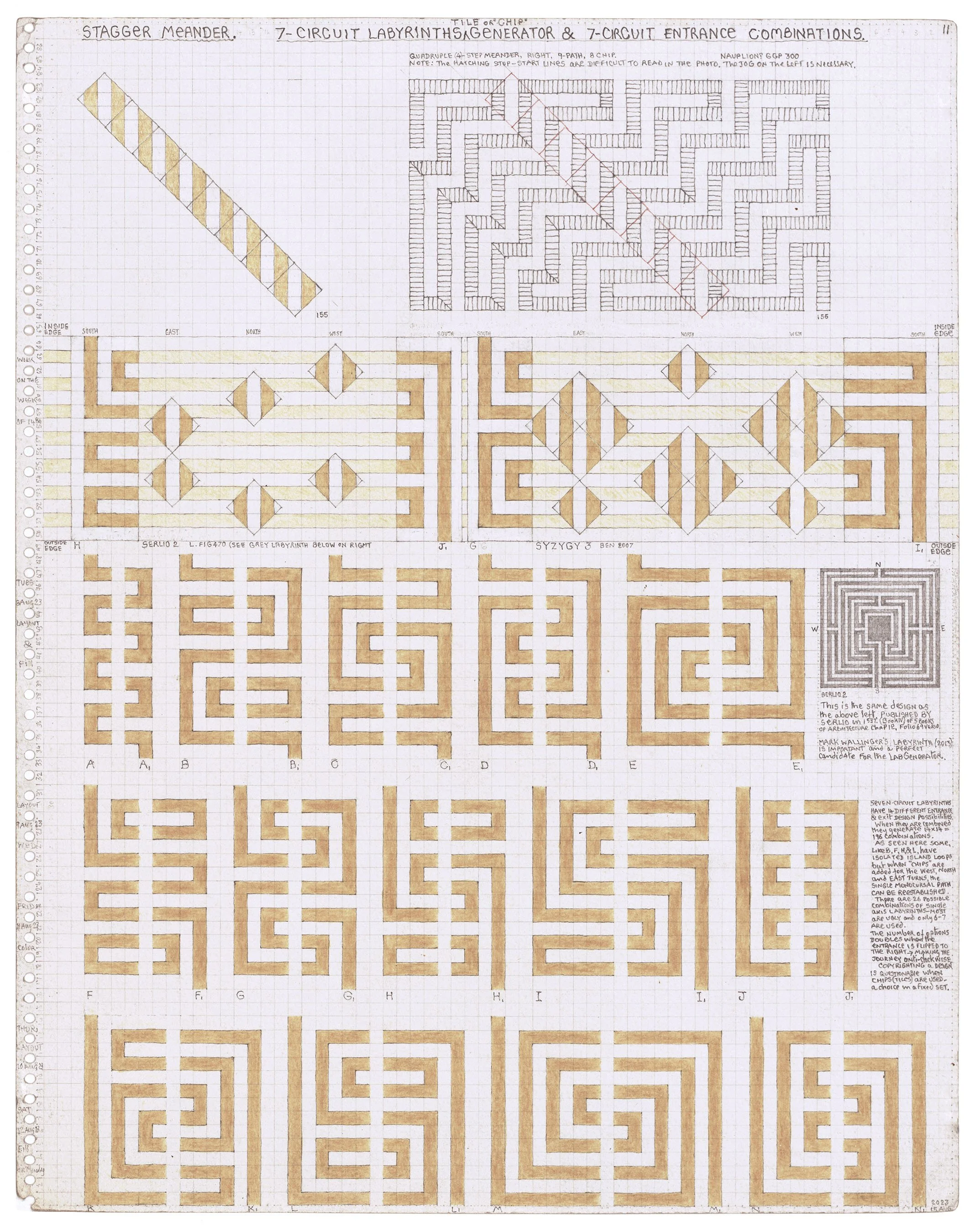
Read MoreIn this exhibition, Indianapolis-based designer Robinson builds on his CODEX series that employs a system of form typologies in varying combinations to generate unique compositions in both two- and three-dimensional works. Kept Secrets: Open Code uses this preordained design language to explore layered personal histories through recontextualized objects. The gallery is organized around three distinct spatial environments: the Church, the Court, and the Garten.
Made possible by the Efroymson Family Fund
Read MoreBorrowing its text from assorted excerpts from the Mark Fisher-edited essay collection The Resistible Demise of Michael Jackson (2009), Untitled (m.j. the symptom) examines the King of Pop as a complex set of contradictory signifiers, a funhouse reflection that is as distinct, spectacular, and compromised as the culture that produced him. So say Kraftwerk in their haunting 1977 song “Hall of Mirrors”: “Even the greatest stars / find themselves in the looking glass.”
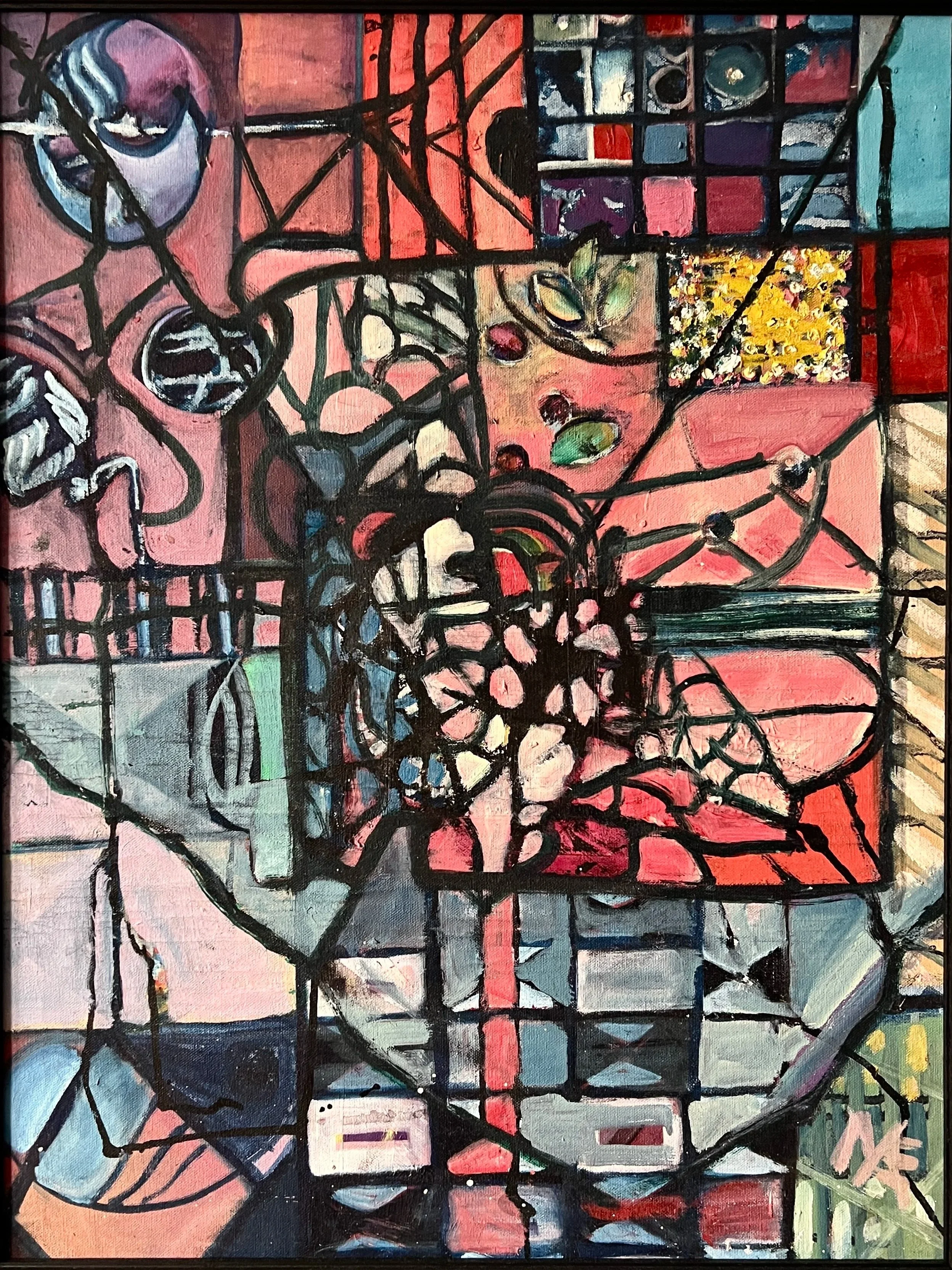
Read MoreBorn in Indianapolis, Mae Alice Engron (1942–2007) was a pioneering Black abstract expressionist. A Herron School of Art alumna, she turned to painting at age 40 after a workplace injury. Known for her "controlled drip" technique using poured ink and oil, she blended organic forms with vibrant Neo-Expressionism.
Engron broke barriers for Black women in pure abstraction, exhibiting alongside icons like Robert Indiana and Alma Thomas. Her work was featured in groundbreaking shows from Indianapolis to Los Angeles, cementing her legacy as a seminal visionary. Today, her paintings are held by the Smithsonian and the Indiana State Museum.
This exhibit features lesser known works purchased in the last two years at auction and is in partnership with Engron’s daughter, Michelle Daniels.
Read MoreSpecializing in animation, Jess Dunn treats illusion as both inspiration and medium. Their work explores the mechanics of motion, finding the "magic" in the gaps between frames where perception shifts. From childhood flipbooks to complex stop-motion, their practice has evolved into the creation of immersive worlds that bridge physical and digital spaces. Through an experimental process, they often build custom circuits to distort visions via voltage manipulation or, conversely, allow raw materials to speak for themselves. The result is a living, multi-sensory environment built for exploration.
Sylvia Thomas is an artist and writer from Indianapolis. Her work focuses on sex, gender, grief, and euphoria. Over the last 10 years, she has exhibited and performed her work across North America and Europe, including the 2025 CLAVO art fair in Mexico City and a presentation for the United Nations Envoy on Youth in 2021. Sylvia is a long-term artist in residence for Big Car Collaborative, a 2024–25 Creative Renewal Arts Fellow through the Indy Arts Council, and a recipient of the 2023 Indianapolis Creative Risk Grant through the Herbert Simon Family Foundation.
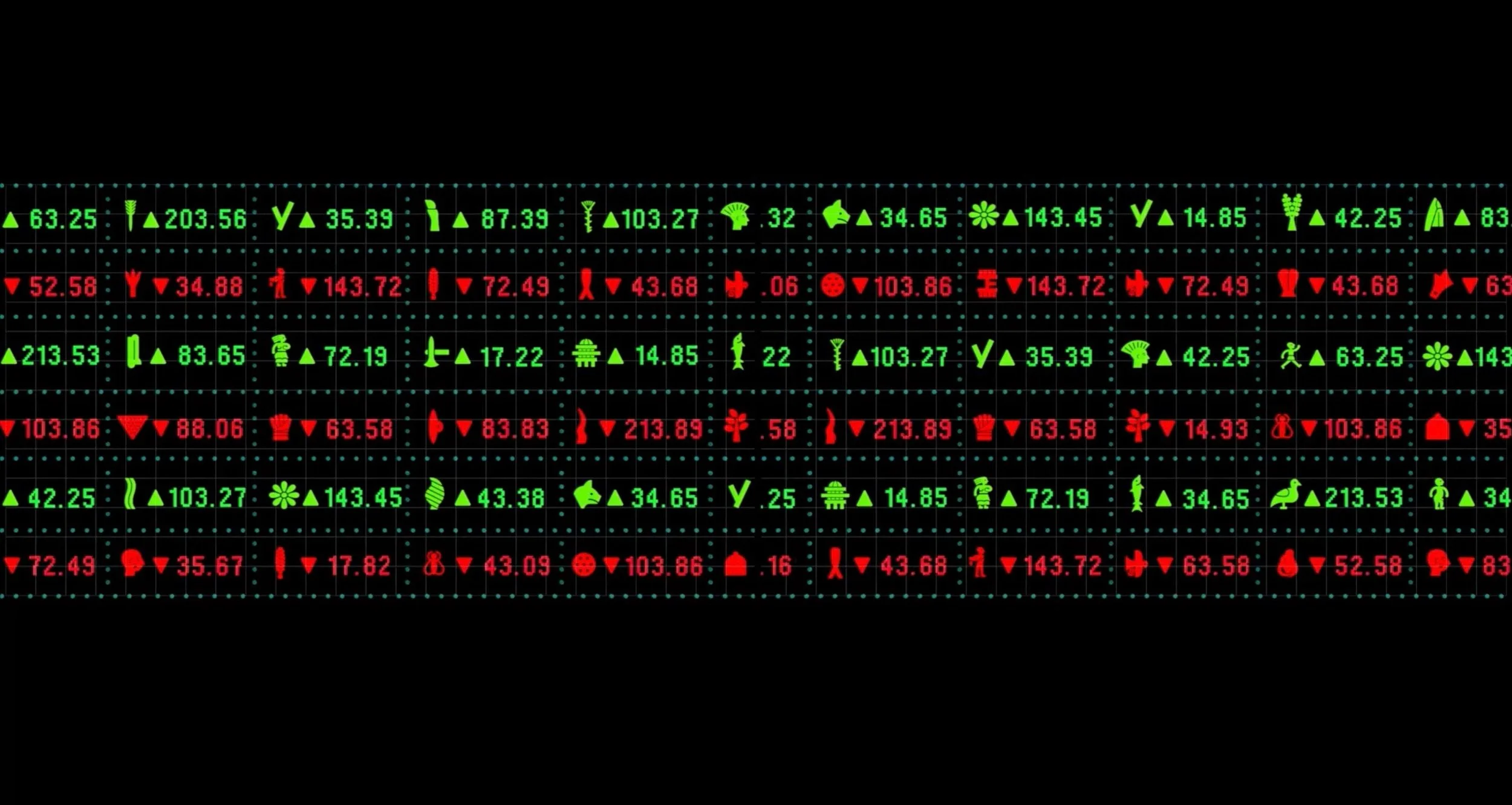
Read MoreStock market data from the 2008 financial collapse — Dow Jones, Nikkei, Nasdaq, and S&P 500 — is translated into a musical score. An electronic female voice, processed through vocoder, follows the score with precision. The voice is feminine, like the voices designed to assist us, to serve, to comply. When algorithms are built to help, they are so often given women's voices. The system speaks through the voice it expects obedience from. A human voice enters, not in obedience but in lament. It responds to the data, departs from it, grieves what the numbers cannot feel. It exists within the system while refusing to be ruled by it. The video displays symbols from the Phaistos Disc, an undeciphered Minoan script possibly from a matriarchal Bronze Age society, now scrolling in the format of a stock ticker: ancient mystery conscripted into capitalism's visual language. Beneath the voices, a sustained drone sounds: the ison of Byzantine chant tradition, a single fixed pitch that served as tonal anchor for sacred music. Here it becomes the cost basis, the entry point, the fixed reference against which all market movement is measured, the illusion of stable ground in a system without foundation. Matriarchal symbols forced into patriarchal economic display. Female robot voice obeying the algorithmic score. Human female voice refusing, responding, lamenting. The drone continues beneath it all, as cost basis always does, indifferent to what rises or falls above it. At the close, the human voice fades; the machine inherits its tremor. Nothing holds still. Avásimo: without basis. The ground was never there.
Read MoreImagine you're stepping into a bubble, a space filled with all the thoughts that drift through your mind in a single day. What do you surround yourself with? What defines you? And how do you interact or move around these objects that symbolize yourself.
Each painting is a glimpse into our inner world, specifically focusing on the objects we choose to surround ourselves with. Arranged in a deliberate, symmetrical way, these objects represent who we are. The exhibit's title is inspired by Virginia Woolf's idea of a "luminous halo"—a semi-transparent layer that envelops us from the moment we become conscious until the end.
Read MoreMost of us live in a world of constant noise and overstimulation, fragmenting our own perception and memory. Information (and misinformation) overload has forever changed the human experience thanks to constant access to the Internet. Instead of living in the moment, we are constantly challenged by the temptation of filling the void with seconds-long dopamine boosts reinforced by our personal algorithms in our artificial digital worlds.
Read MoreInner Voice Transplant explores the links between subjects as disparate as ancient Egyptian practices of dream interpretation; jiāngshī (Chinese hopping vampires); and the first voice-box transplant, which took place at the Cleveland Clinic in 1998.
Read MoreIlana Harris-Babou is a multimedia artist whose video works are an important component of a practice that includes sculpture and object making, performance, and installation. In her projects, Harris-Babou mines the aesthetics of YouTube tutorials, home improvement and cooking shows, and corporate ad campaigns to call attention to how personal and social identities are constructed—and co-opted—by dominant ideologies.
Read MoreCytter's short 2014 film explores the unsettling duality of American culture's ideals regarding being protectors of life and harbingers of death. This title is a reference to both the 1964 Joanne Greenburg book I Never Promised You a Rose Garden, which deals with mental illness and the 1971-84 Marine Corp recruitment campaign “We Don’t Promise You A Rose Garden.” These references are meant to clue the viewer in that the seemingly ordinary setting hides a distorted reality. As the tension builds, multiple guns and disjointed conversations between characters escalate the sense that the calm is about to be shattered. A chaotic shooting spree unfolds against the backdrop of normal daily life. The chilling final scene serves as a grim conclusion addressing violence and its pervasive presence within American culture.
A group exhibition featuring the work of Jo Archuleta, Nehemiah Cisneros, Tommy Lomeli, Katherine Looney, October Sharify, Isaac Tapia and Cesar Velez exploring the supernatural and ethereal states of somatic responses. Guest curated by Yashi Davalos the exhibit is inspired by Aldous Huxley’s novel Brave New World, where soma was a fictional drug used to pacify civilians in a state of existential bliss and disassociation. Exploring the socialized perceptions of figures occupying space, Soma takes on confronting perceived utopia and dysmorphia in this exhibition.
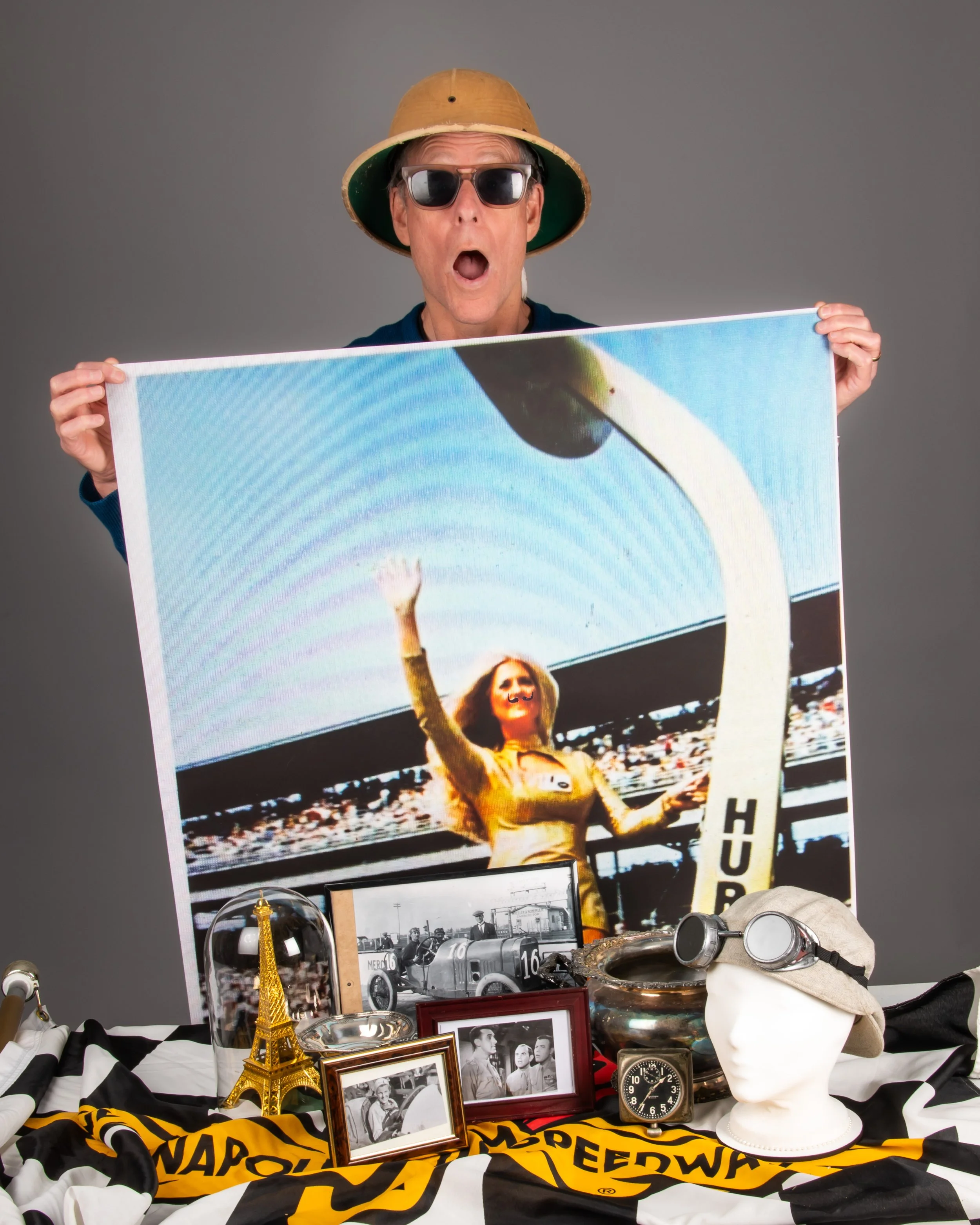
Read MoreIncluded in this pop-up museum, made to resemble a small-town history museum, are 16 amazing stories, many so strange they may seem made-up. But they are not made up. They are all absolutely true. They are paired with amazing photographs and also fabulous objects that approximate long lost Indy icons — boxing gloves worn by Lou Thomas the night he killed Arne Andersson; the chair Cannonball Adderly tipped back in the night he discovered Wes Montgomery; James Snow’s Panama hat; Jinx Dawson’s skull; Max Emmerich’s spikes…”
Read MorePotawatomi (Turtle Clan) artist Jason Wesaw’s exhibit consisting of sculpture, drawings, prints, and installation is linked to the beliefs of his culture related to land, specifically the ground where Tube Factory now sits. This land has been part of Potawatomi lands at different times in history before the United States existed. For this reason, Wesaw used earth and materials from Terri Sisson Park on the Tube Factory campus to create some of the works in this fully commissioned show.
Read More“BODEWADMI NDAW is a documentary about the efforts of my people to revitalize our language, Bodwéwadmimwen,” filmmaker Davis Henderson said. “The title is a declaration. It means ‘I am Potawatomi.’”
Read MoreTrunk Rattle Sound Bath merges ongoing areas of Ben Hall’s research into polyrhythm (the simultaneous use of two or more contrasting rhythms), sonic immersion, and ancestral resonance through the lens of embodied listening. The title draws from the cultural experience of low-end frequencies booming from car trunks — windows shaking with no discernible rhythm, the body absorbing it all. “Vibrational frequencies are in everything,” Hall says. “Our bodies. We are observing by vibration even when we shut down. Our nervous system is still there, thrumming.”
Read More“My Child, I will feed you, give you good health, and I will give you strength and courage.”
These are the opening words of Steven J. Yazzie’s 2015 video, Mountain Song, which appear scrawled across the inky blank screen in white letters. The work evokes that of an epic poem akin to Homer or Virgil, signifying a journey that lies before the one who watches and listens to it.
Read MoreComputers do whatever you tell them to, even if you tell them to make a mistake.
There are some seemingly bad ideas behind Benjamin Berg's exhibition I Can See the Pixels. For starters, everything is created using the 1980s-era GIF image format, which is hated by today's computer programmers for its limited color palette and inefficient storage. Also, the source images are small and low-resolution. Worst of all, he forces his computer to use colors that are totally wrong, nowhere close to the ones it needs. What's wrong with this picture?
Read MoreThirty-foot-long scrolls telling a story of self acceptance and belonging will fill the Main Gallery of Tube Factory artspace starting November 1. The “Jellyfish Person” is the central character in Indianapolis-based artist Julie Xiao’s large-scale ink and gouache works. In Xiao’s immersive exhibit, the audience will follow — and may identify with Jellyfish’s pursuit of finding a place to feel welcomed at, to fit in, and to feel at home.
Read More